
On the fourth day, Olesya arrived from Moscow and our little group was complete. Together, we left Ulan-Ude and headed north towards the Barguzin Valley. Our destination was Alla Village, where we would be staying. It was roughly 470 kilometres away. Most of the road was paved, though stretches occasionally gave way to dirt. We had a long journey ahead, but we were in no hurry and stopped whenever something along the scenic route caught our attention.
Sretensky Women’s Monastery
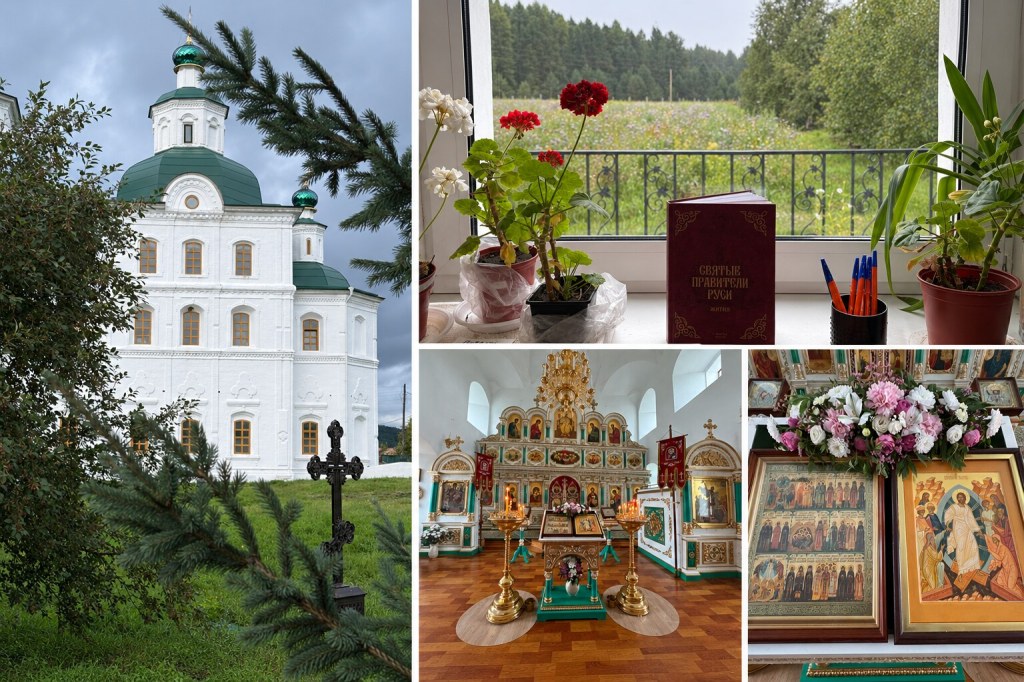
Our first stop was Sretensky Women’s Monastery in Baturino Village, about 64 kilometres northeast of Ulan-Ude.
The first Orthodox church on the site was a wooden building dating from the eighteenth century. The stone Sretensky Church we see today was built between 1813 and 1836. Closed during the Soviet period, it was used for other purposes and gradually fell into disrepair. Restoration began in the late 1990s, and a convent was established around the church in 2000.
We happened to arrive on a Sunday morning and were able to watch part of the service. In the space of only a few days, I had moved from shamanic sacred sites to Buddhist temples and then to an Orthodox convent. It was another reminder of Buryatia’s rich mosaic of beliefs—traditions that may appear worlds apart, yet continue to exist side by side in the same landscape.
Lake Baikal — The Blue Eye of Siberia
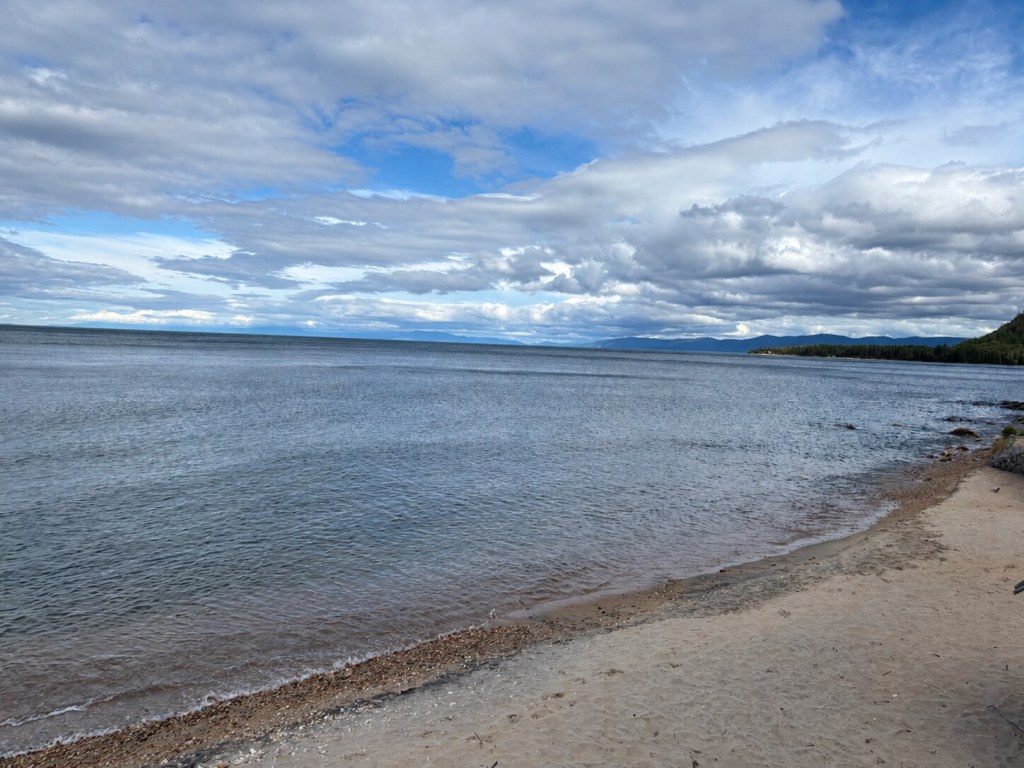
One of the loveliest stops on our route was, of course, Lake Baikal.
Baikal is the world’s deepest and oldest lake, a UNESCO World Heritage Site that holds roughly one-fifth of the planet’s unfrozen surface fresh water. Much of it freezes in winter, and once the ice grows thick enough, vehicles can even drive across it.
We visited in August, when families were swimming along the shore. Dina and Olesya went straight into the water without hesitation. For me, raised by the Mediterranean, it was far too cold. I settled for dipping in my feet.
The stones along Baikal’s shore also have a place in the spiritual life of the region. In animistic traditions, a spirit or sacred power may belong not only to living beings but also to stones, mountains, rivers and lakes. I would come across many examples of this as we travelled through the Barguzin Valley, and I will return to the significance of stones later.
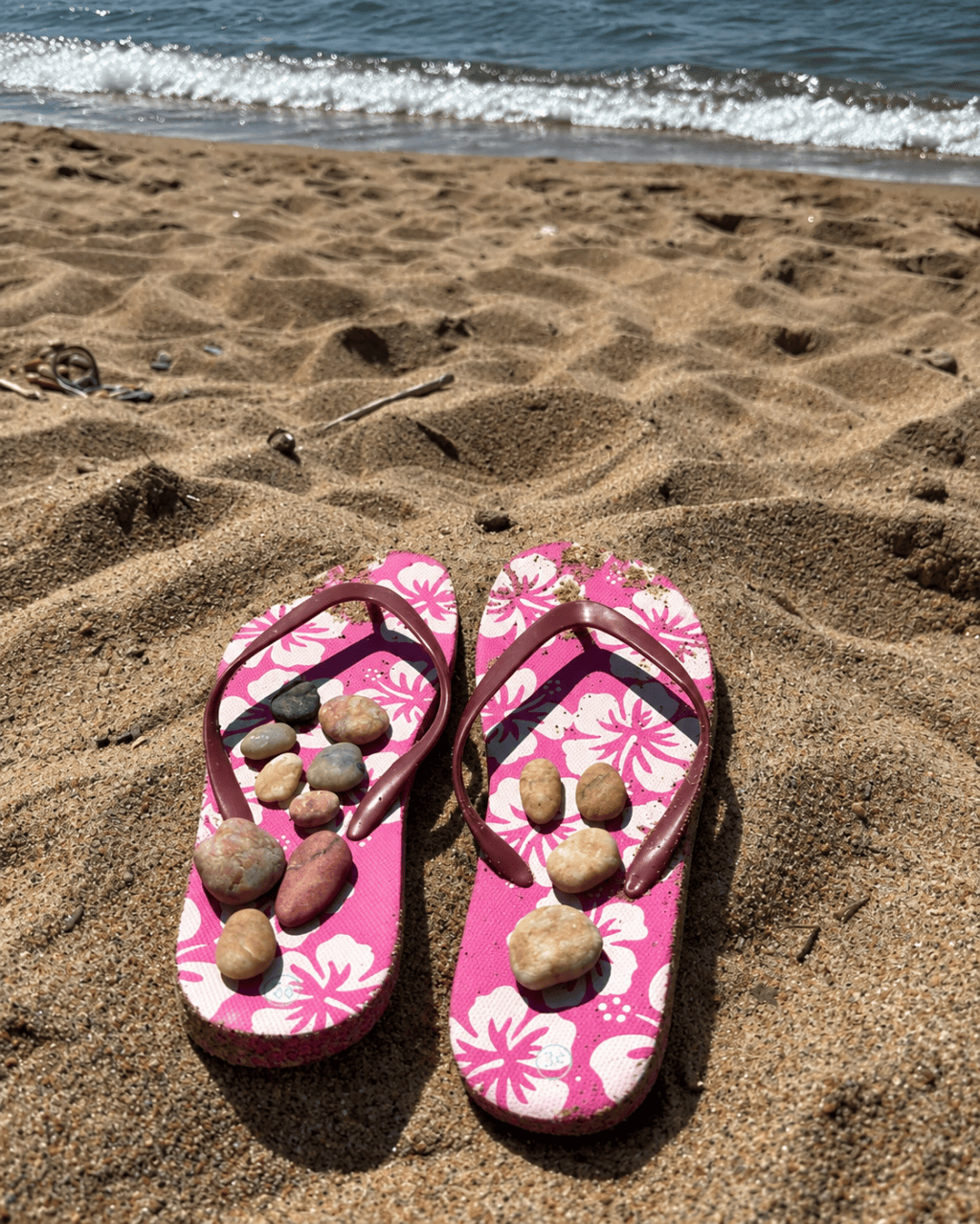
We each chose a few small stones from the shore to take home as a memory of the journey.
The Gateway to the Barguzin Valley
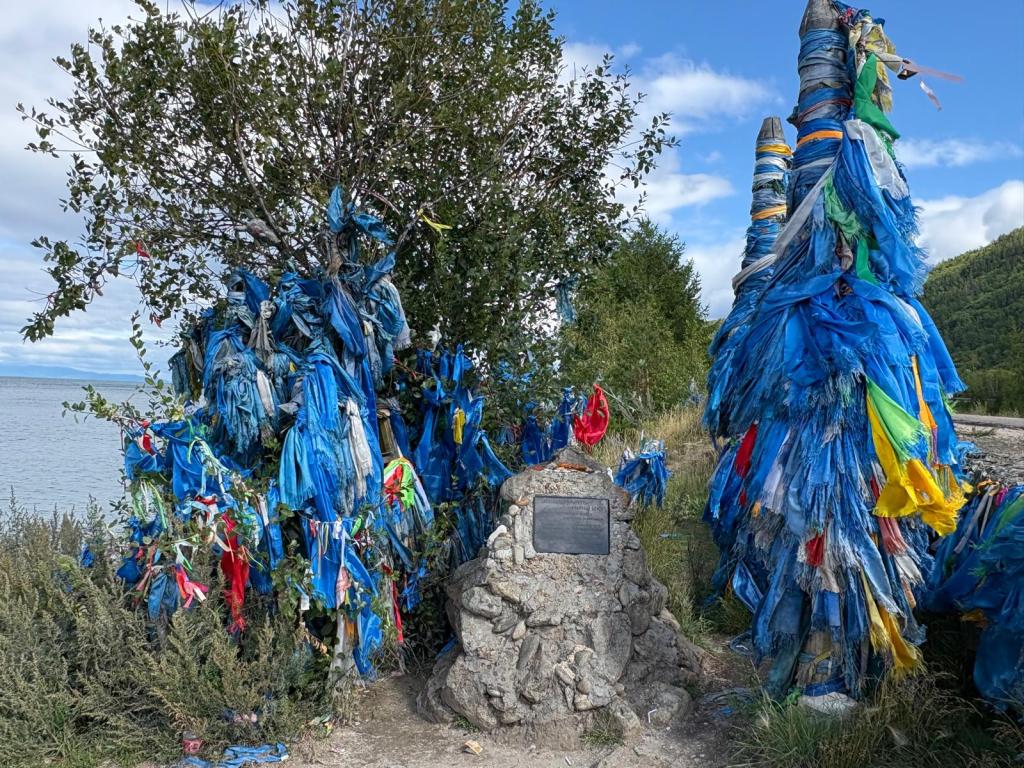
The Gateway to the Barguzin Valley
After leaving Baikal and continuing towards the Barguzin Valley, we stopped once again—this time at a sacred place known as the “Gateway to the Barguzin Valley”.
Because the valley itself is considered sacred, travellers pause here to greet its spirit, pray for a safe journey and leave offerings. Once inside the valley, we would encounter many more places regarded as sacred.
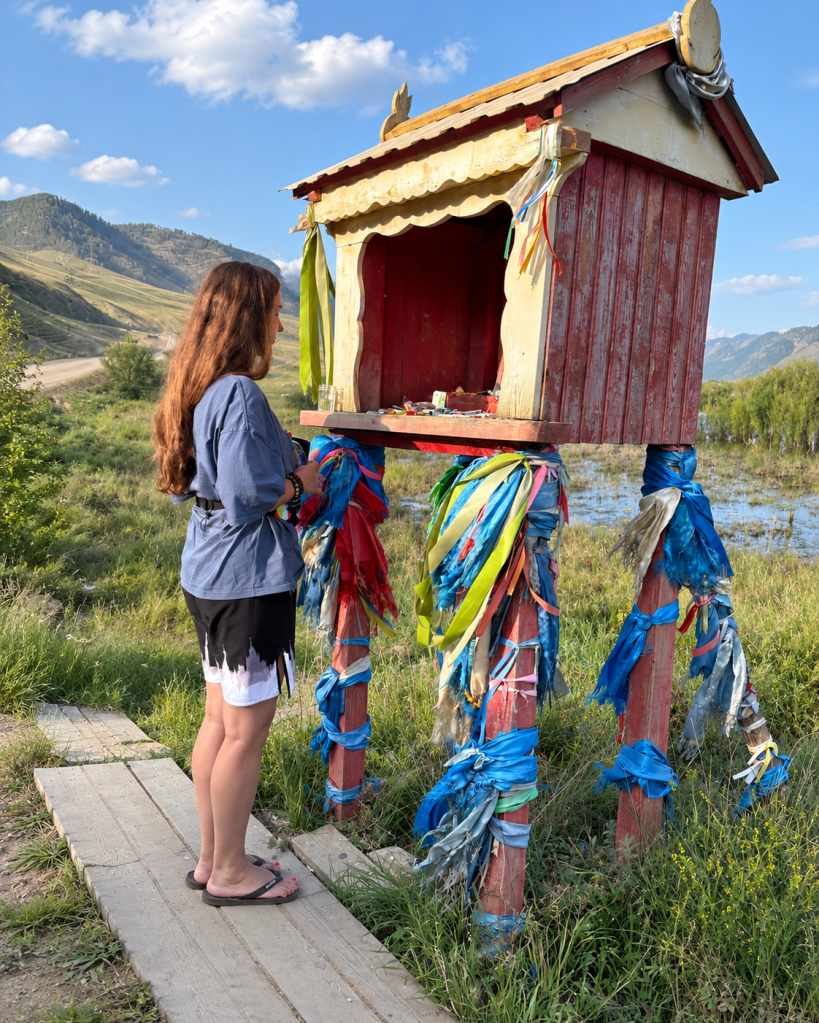
By then, these stops no longer felt unfamiliar. Rituals that had seemed so unusual at the beginning of the journey were quickly becoming a natural part of the road.

